
Overcoming Barriers to Access Across the Peninsula Region
Introduction
Personal mobility and access. They go together. Personal mobility enables us to access our day-to-day needs – work, shopping, school, health care, services, recreation, worship, and more. Broadband connectivity is making it easier to do a lot of things without having to go anywhere, but not everything can be done online.
Most of us still need to get from Point A to Point B to take care of things, and then get back. This is a highly rural region; Points A and B are often very far apart. That’s why, for most of us, most of the time, driving is how we get around. We travel longer distances and we have fewer alternatives to driving than people do in urban regions. That comes with the rural lifestyle, and we build it into our plans.
But what about those of us who don’t drive? We all need access to essential services, even if we don’t drive or can’t afford the costs of owning and operating a vehicle.
Our human services transportation partners transport thousands of people across our region every day. They see first-hand where disconnects, gaps in service, and even policies make it hard for people to get where they need to be. In response they’re innovating, growing new partnerships and increasing coordination across sectors to overcome many of the mobility barriers people face. But there is always more that can be done.
Periodic updates of the Human Service Transportation Plan (HSTP) give us an opportunity to check in with service providers to refresh our regional understanding about rural mobility. Their experience and insights over the four years since our last HSTP update informs our shared understanding of the challenges those who don’t drive face when trying to access the essentials of daily life. They help us understand the concerns of a wide cross-section of people who need assistance with rural mobility so we can frame issues in ways that translate to actionable strategies. Their insights are invaluable in assessing potential strategies as we work to shed light on practical measures that can make a difference in this region and lay the groundwork for future funding opportunities and partnerships.
The HSTP is closely associated with the Consolidated Grant program, one of the primary sources of funding for rural transit and special needs transportation services in Washington State. Administered by the Washington State Department of Transportation (WSDOT), Consolidated Grant awards must support projects that advance one or more strategies from a regionally adopted HSTP. The parameters of that grant program inform PRTPO’s approach to the HSTP.
This PRTPO Online Human Services Transportation Plan has a companion 2026 HSTP report. It includes information from this website and additional content for WSDOT.
Read on to learn more and get involved. We want to hear from you.
HSTP Online Site Index
Human Services Transportation
Unmet Needs and Barriers
Mobility Strategies
Implementation Funding Support
Inventory of Transportation Services
HSTP RESOURCES
Get in Touch!
To share your thoughts on the 2026 update of the Human Services Transportation Plan that is underway, correct inaccurate information, or help us identify missing information, please drop us a note. Thanks!
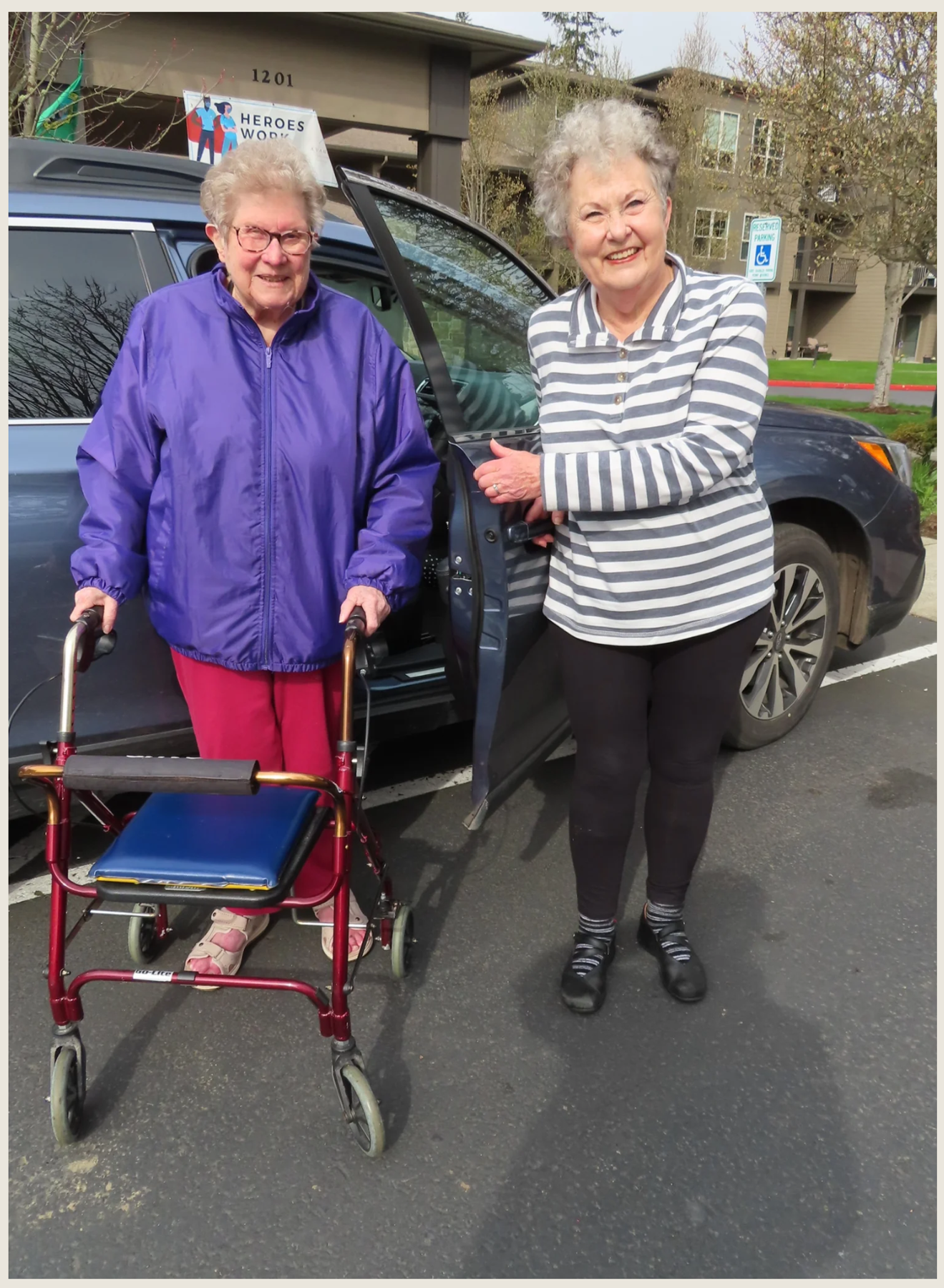
Human Services refers to a wide range of interdisciplinary social assistance programs ranging from health care to food and shelter to work force training, and more. Services are targeted to individuals and families, and may be provided by public, tribal, nonprofit, or private providers.
Human Services Transportation refers to a broad range of mobility and access services designed to connect people who have special mobility needs with the human services available to them. Transportation services may be provided directly by public, tribal, nonprofit, and/or private providers, or may be supported through education, coordination, financial subsidies, or other means. Over two dozen transportation providers support this region’s special transportation needs.